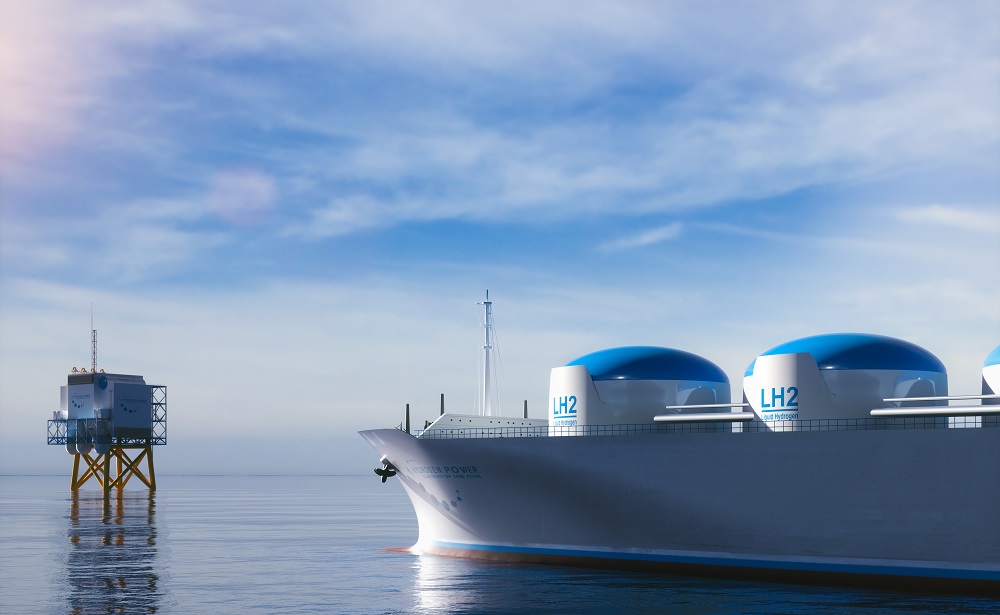
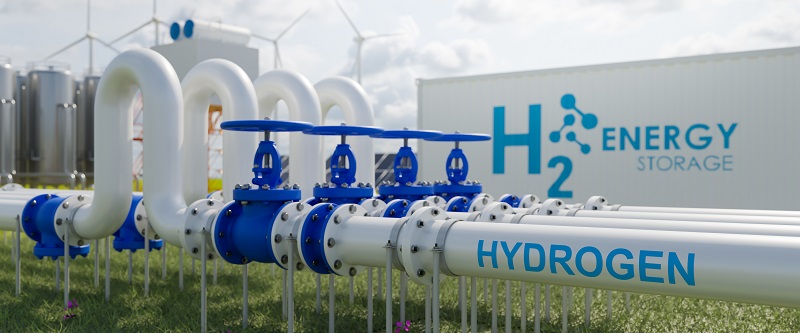
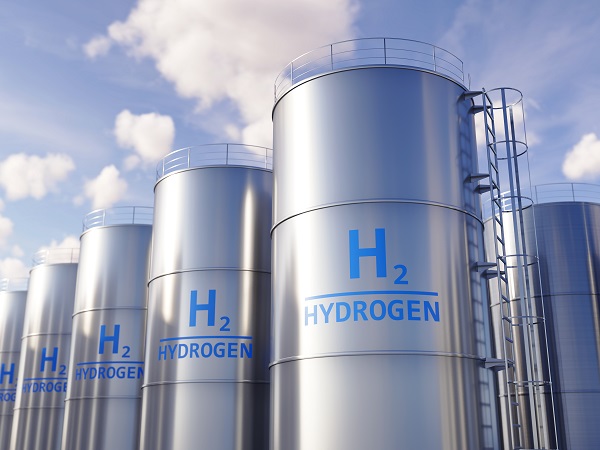
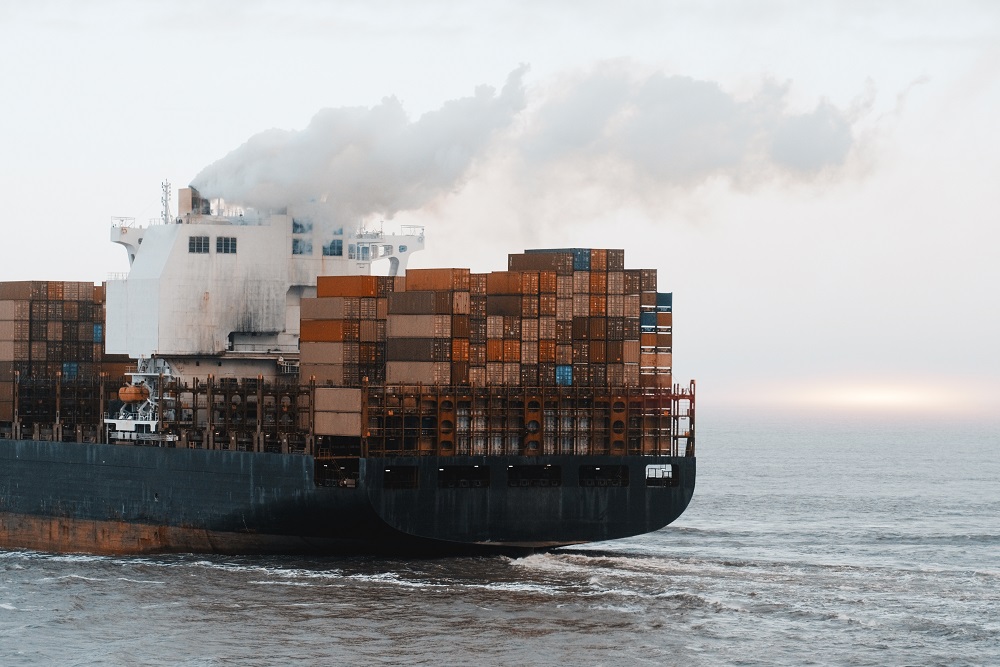
The most advanced sustainable shipping fuels are largely green biofuels, such as those derived from waste cooking oil. These have seen significant progress due to their cost advantage over alternatives, like e-ammonia, which is derived from hydrogen produced with renewable energy. However, the long-term viability of biofuels is questionable. Their dependence on limited biogenic feedstocks, which face increasing demand across multiple industries, suggests they cannot meet the shipping sector’s future needs as demand inevitably outpaces supply. “Biofuels are just a temporary bridge, and we need to be building a long-term pathway,” says Ms Irigoyen. “Because they can be scaled so significantly, fuels derived from clean hydrogen are the key to that pathway.”
While the maritime sector faces many unique challenges, many of the solutions derived for its decarbonisation pathway can have positive cross-sectoral impacts. Heavy freight industries like aviation and trucking can benefit from the solutions derived to move heavy ships forward. But benefits can go beyond transport. E-ammonia is a useful fuel, but ammonia is also a key ingredient in fertiliser, so lessons on its sustainable production from shipping can benefit agriculture. Through collaboration, reducing costs for green fuels can create a new marketplace for zero-carbon solutions that will benefit all industries.








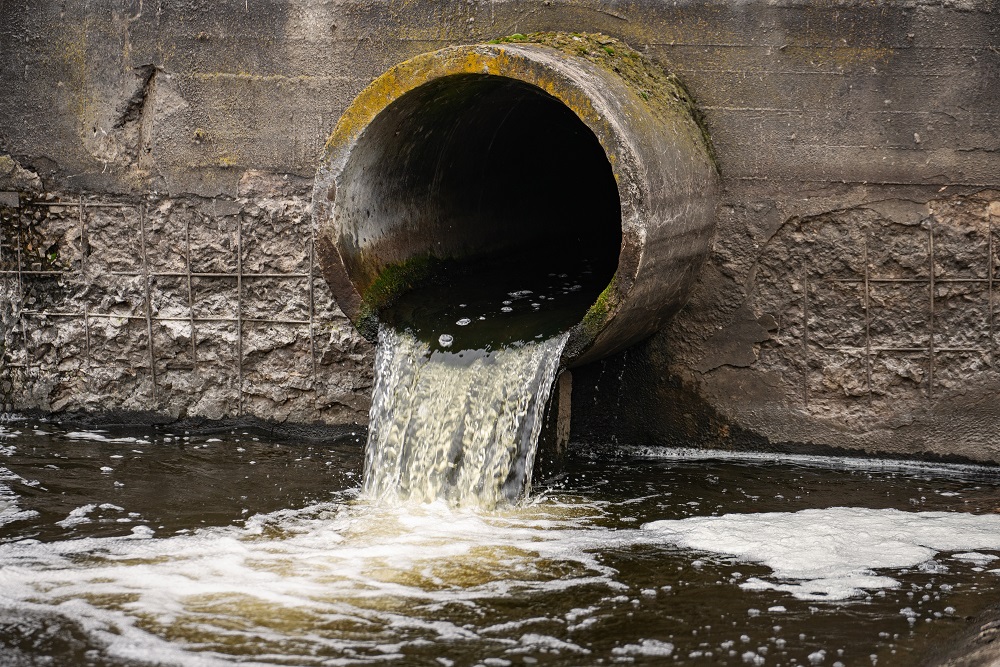 The scourge of untreated wastewater
 Slowing
the chemical tide: safeguarding human and ocean health amid
chemical pollution
Slowing
the chemical tide: safeguarding human and ocean health amid
chemical pollution Hazardous chemicals in plastics - the discussions at INC