Norway’s prosperity is deeply intertwined with its ocean. Offshore oil and gas and fisheries have historically been cornerstones of the national economy, while today the country is a leader in renewable energy and an outspoken advocate for a global plastics treaty. Together, these roles place Norway in a unique position in global environmental policy, where economic and environmental concerns must be managed hand in hand. For Andreas Bjelland Eriksen, Norway’s minister of climate and the environment, this integrated approach is crucial. “It starts with doing what we can at home,” he says. “We’ve had integrated management plans for our oceans for a very long time, giving us the opportunity to take a holistic approach to both the economic and environmental interests we have in our oceans.”

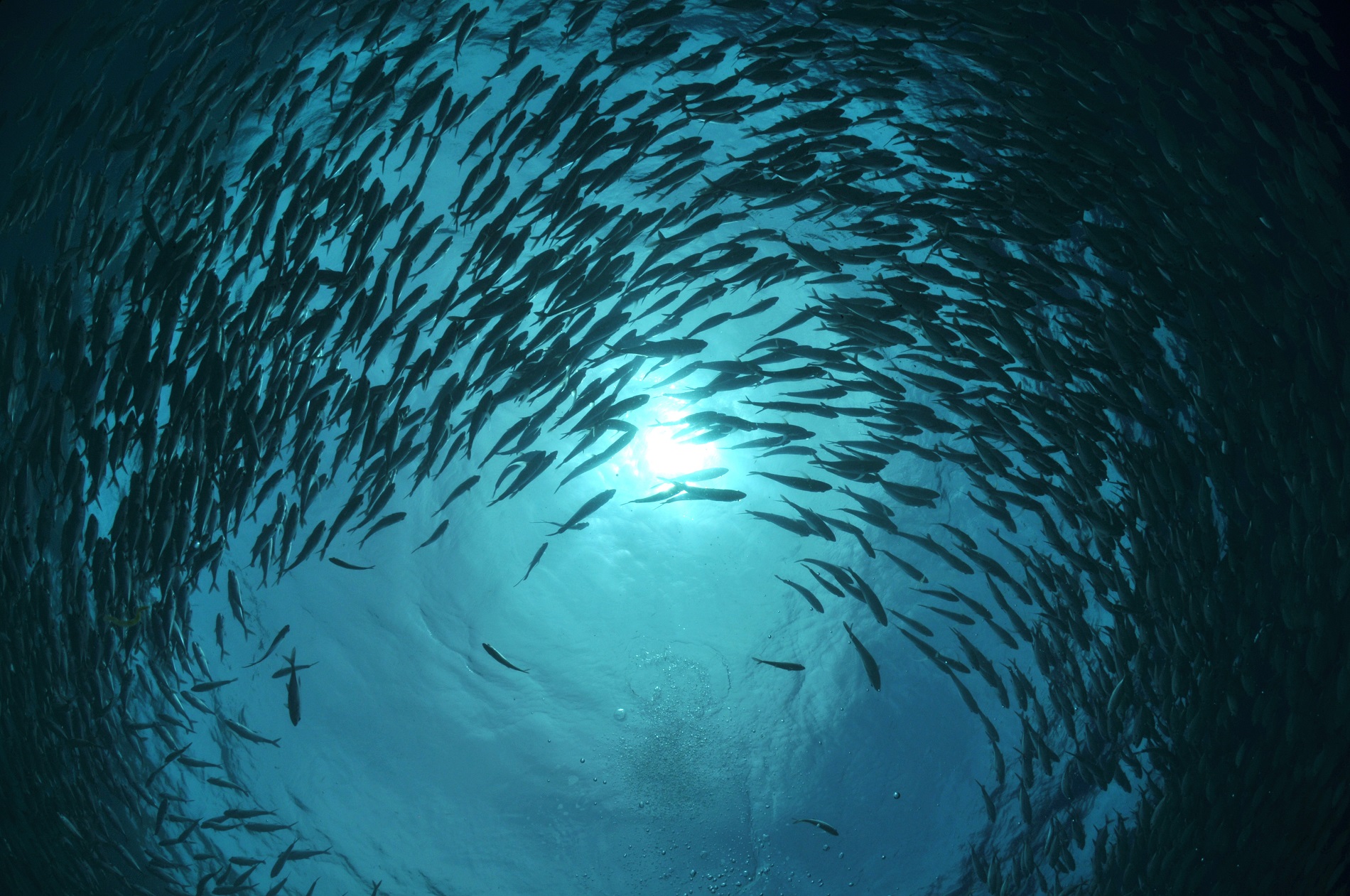
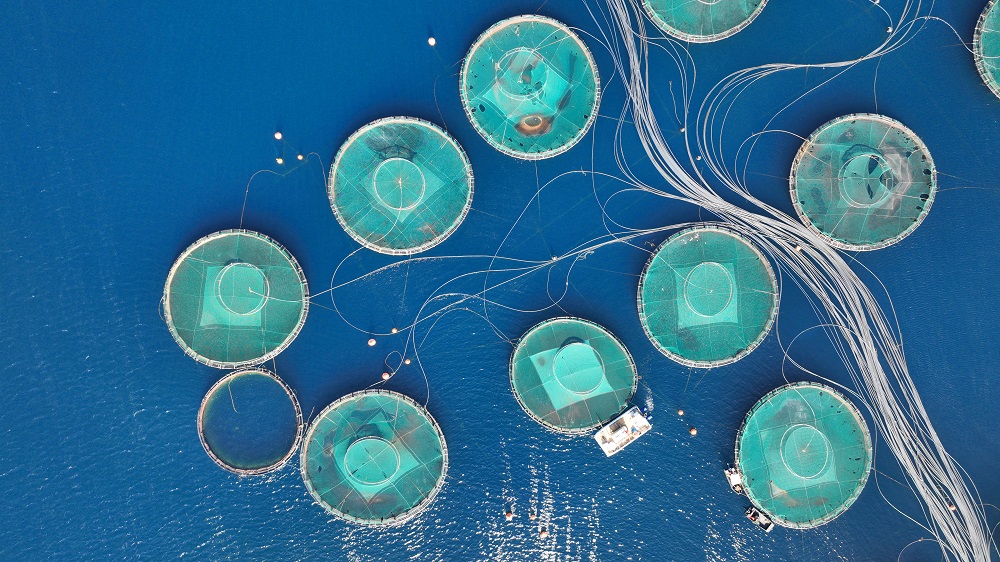
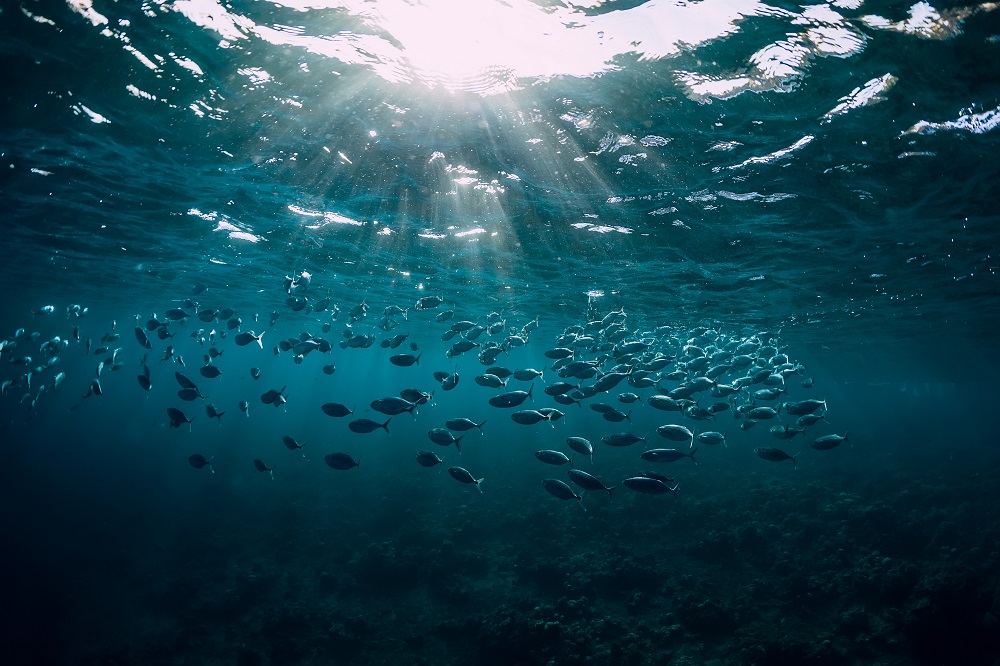
One area that illustrates this approach is the intersection of fisheries management and marine conservation. As the country borders the Atlantic Ocean, the Arctic Ocean and the Norwegian Sea, the seafood industry is important to many Norwegians, contributing 2.3% of GDP and supporting coastal communities. A quota-based approach to fisheries management balances economic growth with ecological protection. “The principle is that you must have healthy stocks in order to harvest, and then only the excess can be harvested under quotas allocated to fisheries,” explains Mr Eriksen. This strategy has been adapted to reflect the reality that rising ocean temperatures linked to climate change are driving stock declines, particularly in coastal areas, while micro-plastics are infiltrating marine ecosystems at alarming rates. The fishing quota for shrimp was reduced by 12% this year as shrimp stock hit a critically low level. A three-way agreement with the EU and the UK reduced cod quotas in the North Sea by 20%. Norway has also established three non-fishery zones in the Oslofjord, banning fishing there for at least the next 10 years. These moves reflect a recognition of the compounding crises that threaten both ecosystems and the economy.

International conservation efforts are also intensifying. On September 19th 2025, the Agreement under the United Nations Convention on the Law of the Sea on the Conservation and Sustainable Use of Marine Biological Diversity of Areas Beyond National Jurisdiction (the BBNJ Agreement) reached 60 ratifications, which will allow it to enter into force next year. This legally binding framework establishes new tools for conserving and sustainably using biodiversity in the high seas, with provisions on ocean management, capacity-building and benefit-sharing. Complementing this new instrument, Norway’s parliament recently proposed a new Marine Protection Act, enabling the country to establish marine protection areas beyond its 12-nautical-mile coastal limit for the first time. Implementation has already begun, with scientists tasked with identifying priority zones for permanent protection.

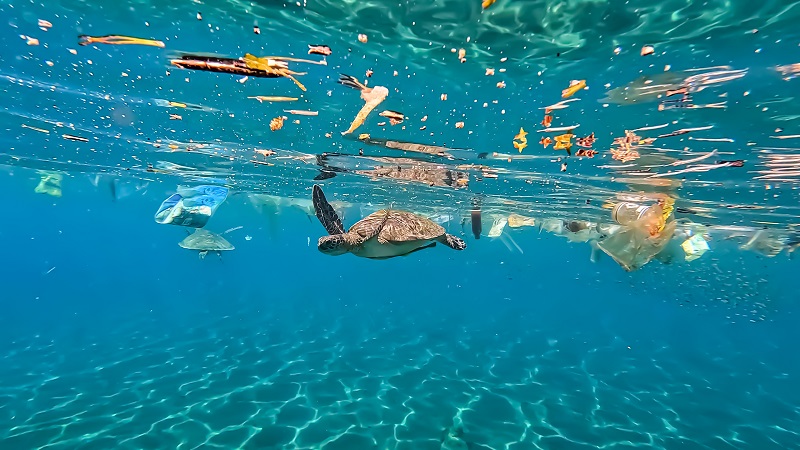
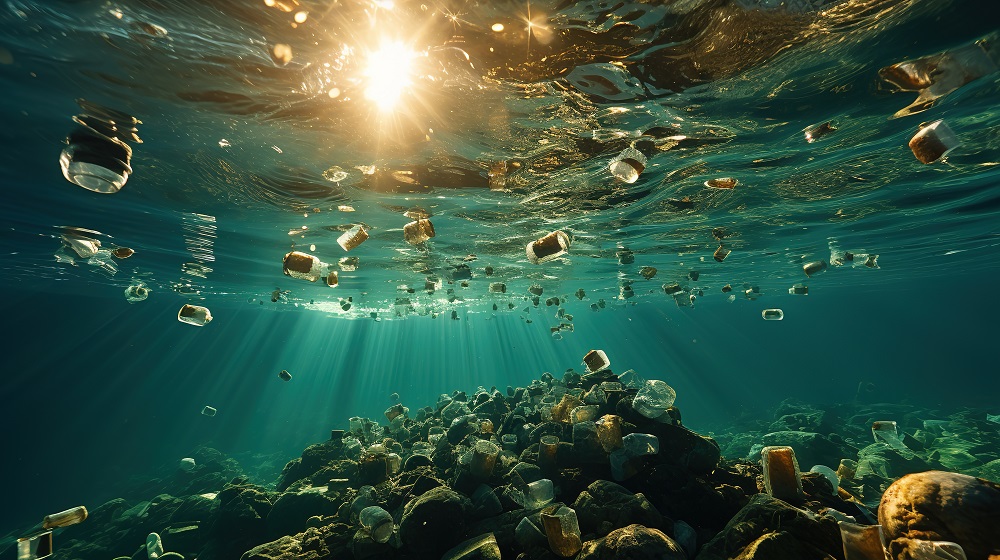
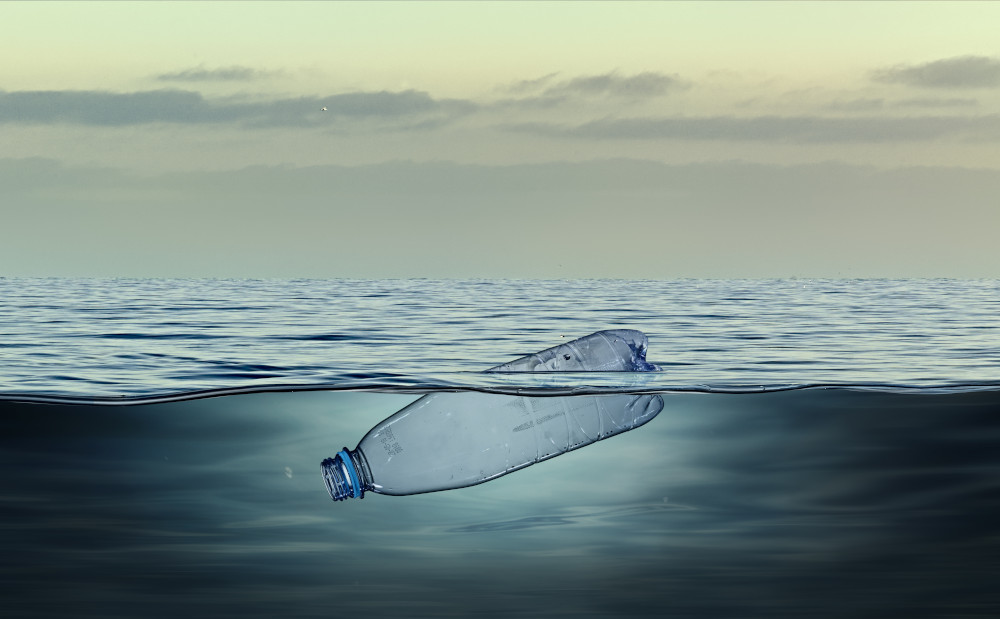
Norway has also emerged as a central actor in negotiations for a global plastics treaty, but these have so far been less successful. “It’s extremely important that we have international regulations to protect nature, and that’s why it’s so disappointing that we were not able to achieve the same for plastic pollution in Geneva,” Mr Eriksen reflects. He co-chairs the High Ambition Coalition to End Plastic Pollution (HAC), giving him a front-row seat at the collapse of the most recent round of Intergovernmental Negotiating Committee (INC) negotiations in Geneva.

Norway has taken on two important roles in the INC process. One is to push for an ambitious treaty and co-ordinate views among the HAC to reach an agreement. The other, through the informal Oslo meetings, has been to act as a bridge between the ambitious and less ambitious countries. “This is not always the easiest task, because it sometimes requires compromising earlier than others,” says Mr Eriksen. “But I think it is necessary if we are to move this process forward and build trust.”

For a treaty to be effective, broad participation is non-negotiable. “If you only have a coalition of willing consumer countries, you don’t achieve the end objective of a full value chain treaty that can tackle plastic pollution from production through to waste management,” Mr Eriksen warns. He argues that the existence of tools such as Europe’s single-use plastic bans makes the case for an ambitious treaty. “We cannot accept a treaty that would remove safeguards we have already put in place; at a minimum, we need an opt-in approach, where certain countries are able to move forward if we are to realistically secure an international treaty.”

Norway is backing its ambitious commitments with resources. Its national support scheme for tackling marine litter and micro-plastics was recently extended for four years, with an additional NKr1bn allocated. These funds help projects that would otherwise struggle to move forward. The government also partners with companies such as Tomra, a leader in waste management and recycling technology, on innovative recycling initiatives. “The positive aspect of tackling plastic pollution is that if the market conditions are right, it is easier to make it investable,” says Mr Eriksen. “Recycling can be a value creator. But you still need government support schemes to create the right conditions, and you need businesses and technology providers to help develop and deploy efficient waste management systems.”

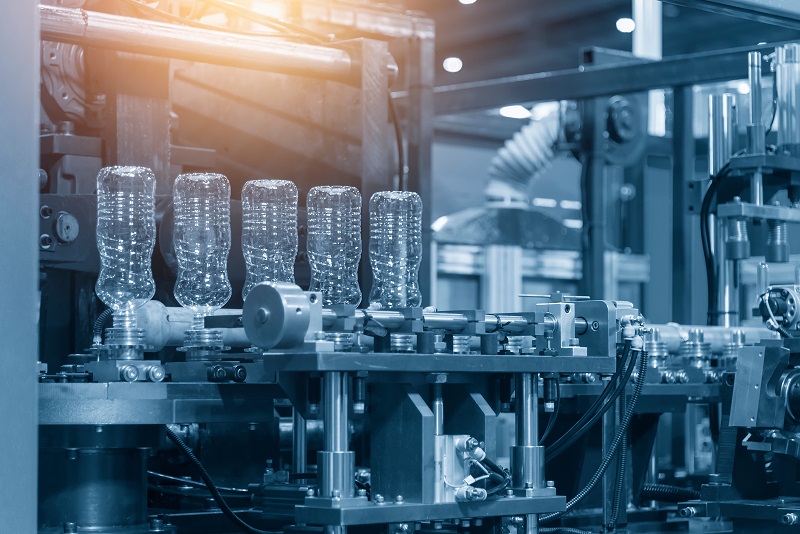
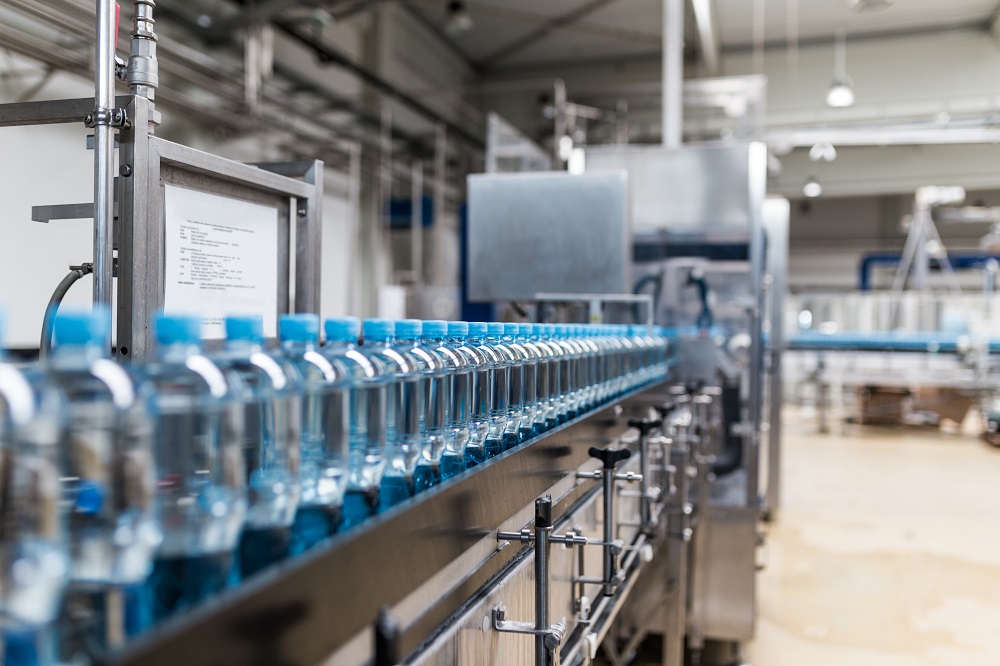
Norway’s domestic record is promising: more than 92% of plastic bottles are returned for recycling. Yet Mr Eriksen is clear that national and regional solutions are limited: “The growth in production and consumption of plastics, as well as the rise of micro- and nano-plastics, is so big that it’s impossible to tackle just through recycling. It is in everyone’s interest, especially for low- and middle-income countries, that we manage to tackle plastic pollution effectively.”

At the heart of this approach is the belief that economic and environmental interests need not be in conflict. “You can push forward ambitious goals in climate, nature and tackling plastic pollution, while recognising there are also economic interests tied to that development,” Mr Eriksen says. He stresses that the plastics treaty is not only an environmental framework but also an economic one. “It affects livelihoods, jobs and value creation,” he says. “What matters now is moving beyond the debate about whether we should act, and instead focusing on how to ensure the costs, benefits and opportunities are distributed more evenly.” The future health of the oceans depends not on choosing between economy and environment, but on integrating the two.

Sign up to the Back to Blue monthly newsletter to receive latest news and research from the programme.