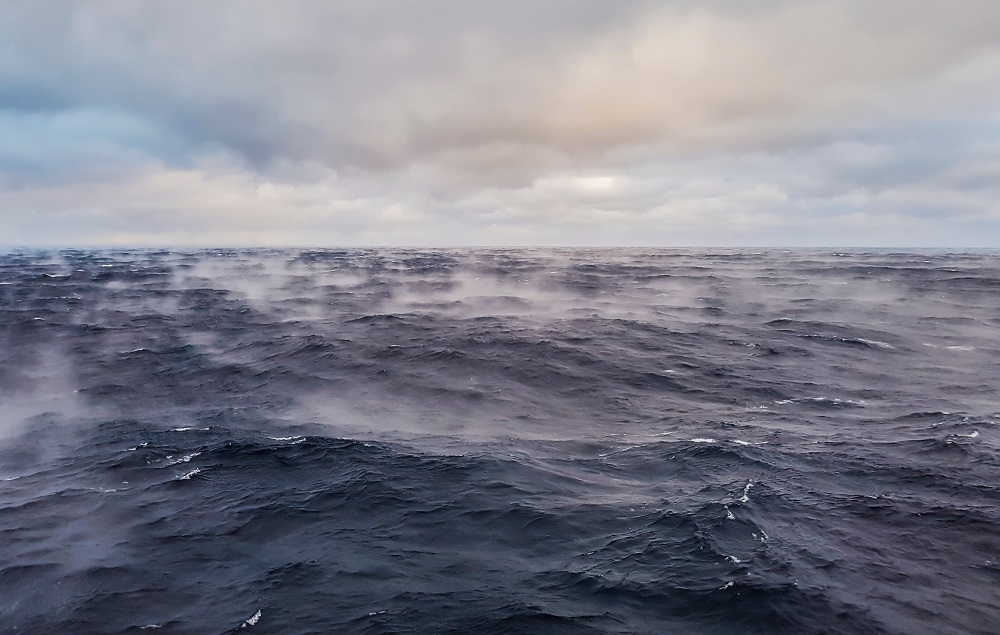
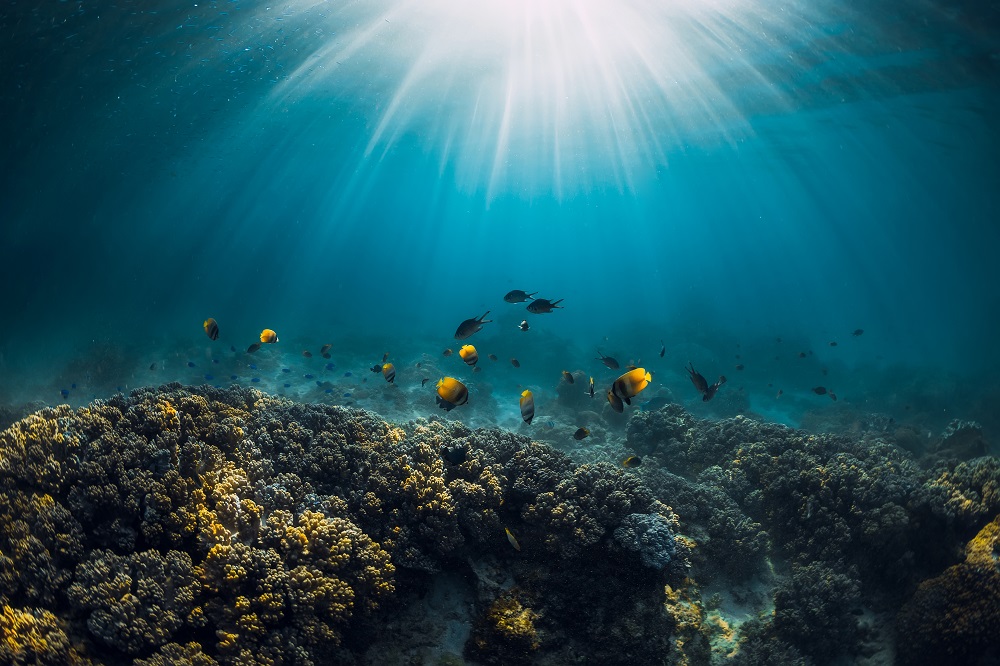
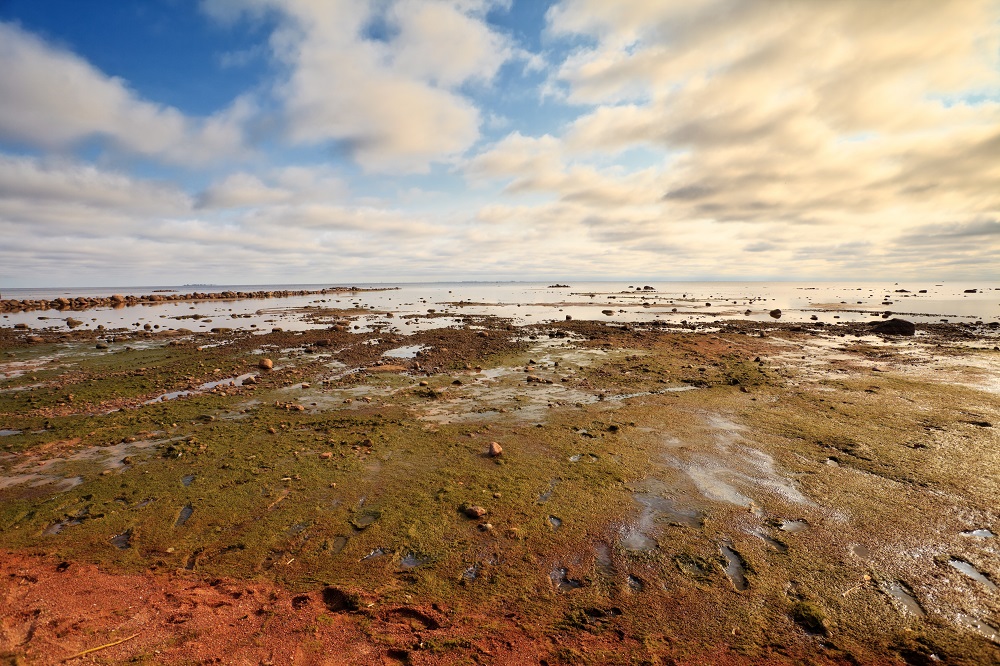
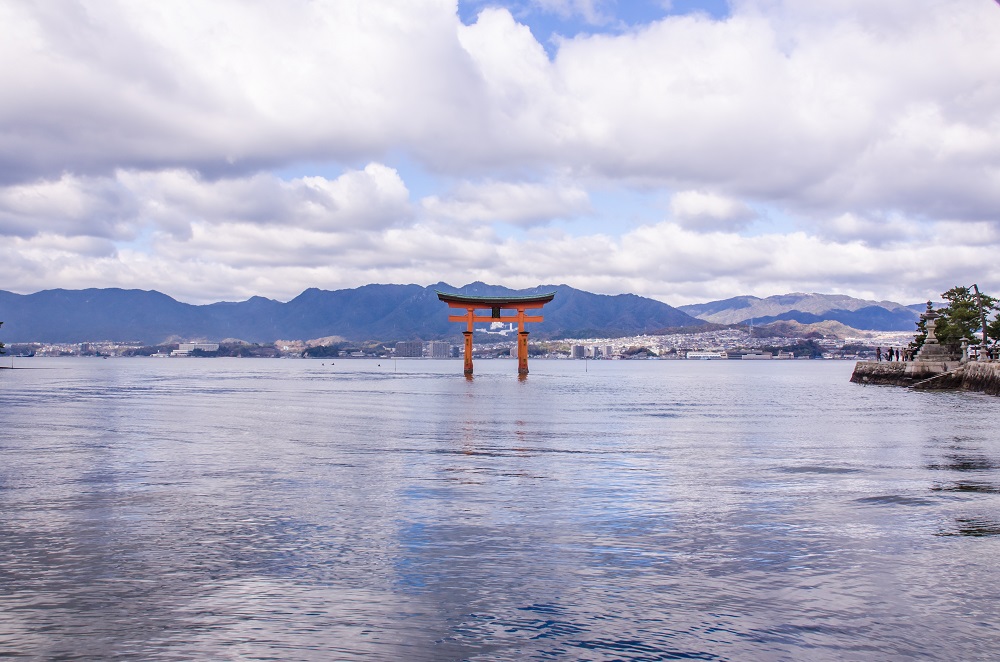
The ocean is vast and dynamic. Much of it is so inaccessible that it is beyond our ability to physically monitor. It forms an interconnected system where distant atmospheric factors influence storm surges that can devastate coasts, while coastal erosion and pollution alter the chemical composition of ocean waters and disrupt far-flung ecosystems. As climate change warms waters and drives increasingly unpredictable weather patterns, the conservation and security of coastal and marine areas depends on understanding what happens in places scientists cannot easily reach. Knowing how the ocean behaves, how it is changing and what dynamics are at play have become essential for marine spatial planning, biodiversity assessment and evaluating financial risks.

Sea change

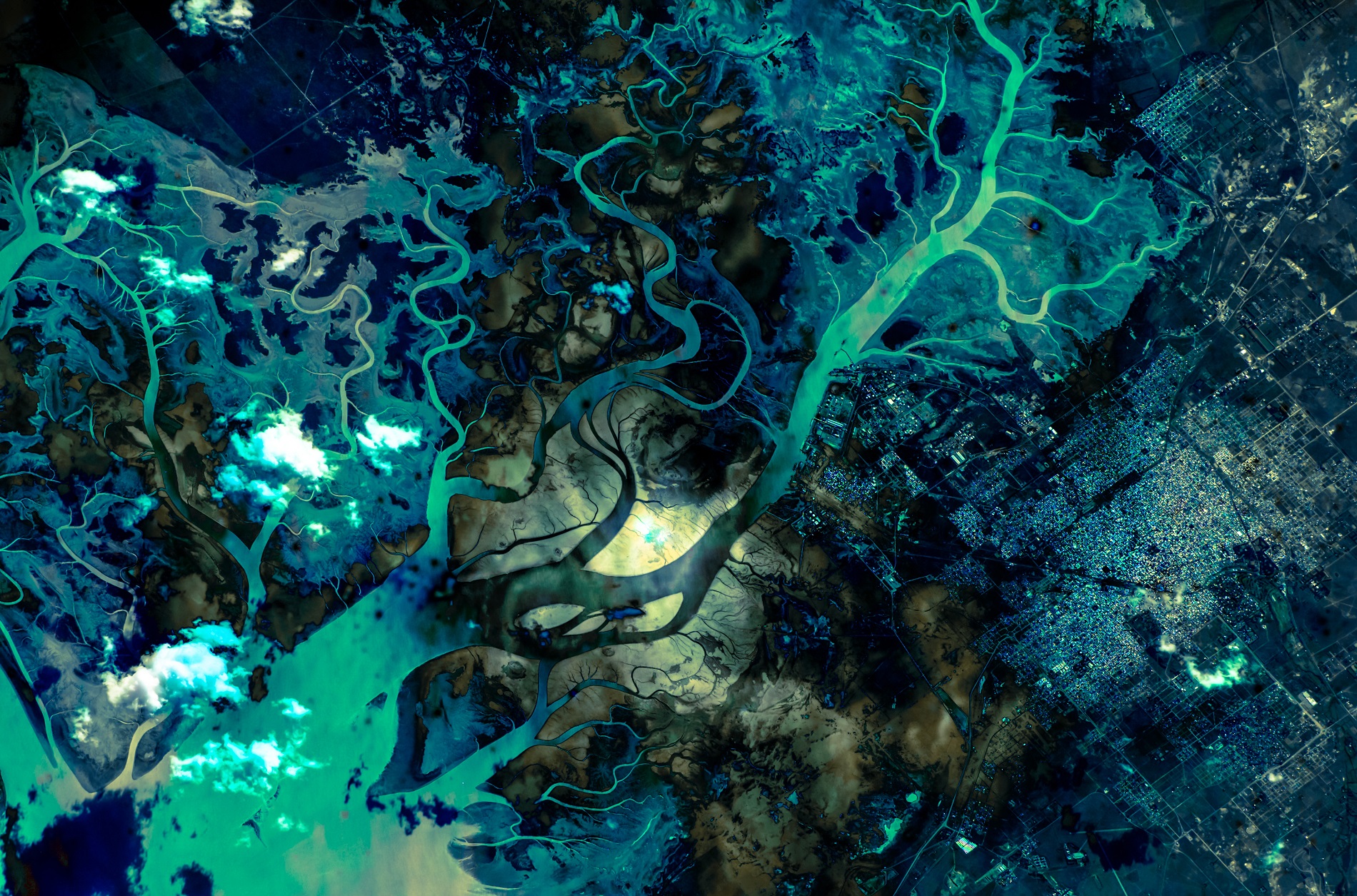
Paige Roepers, the chief executive of Ocean Ledger, a London-based ocean data startup, first noticed the lack of ocean data in reports on the blue economy published by major financial institutions. “They all highlighted the obstacles to originating, de-risking and financing sustainability-linked bonds for marine conservation projects, and they all consistently identified a lack of standardised data and monitoring,” she says. Ocean Ledger aims to overcome this gap by using satellites, machine learning, and data integration to provide a standardised environmental data layer to map coasts.

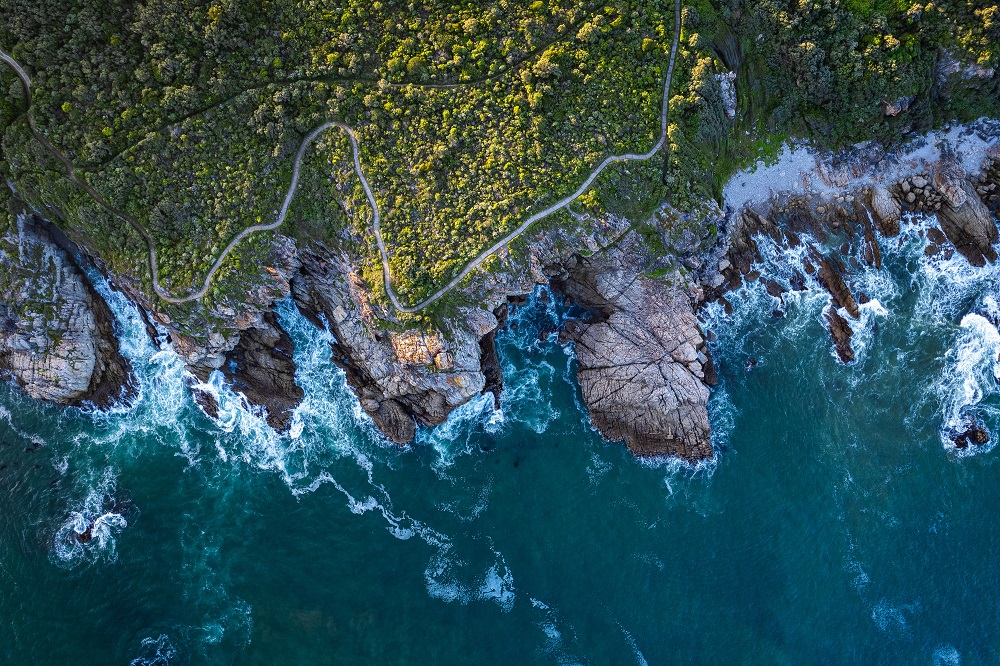
As coastlines shift, the distribution of storm-surge risks change, creating potential new threats to property, infrastructure and communities. Accurate, up-to-date information about these dynamics is critical. “Originally our work focused on ecosystem classification,” says Ms Roepers. “Over time, we realised that existing climate and catastrophe models looking at things like storm surges were failing to account for coastal erosion. Our advantage lies in filling that gap.” The company’s models generate granular, property-level data on shoreline elevation, distance to coast and surge depth, translating those variables into predicted damage and long-term risks. They also incorporate natural defenses and seabed topography, helping Ocean Ledger’s clients to understand the underlying causes of threats and future scenarios for mitigation. When benchmarked against industry standards, Ocean Ledger’s shoreline data products were able to more accurately predict insured losses from hurricane events in Florida in 2022 and 2024. “We don’t just provide greater confidence and accuracy about the hazard itself, we also look at historical drivers to enable more in-depth scenario forecasting,” says Ms Roepers.

Ocean Ledger serves both public and private clients. National and local governments use its ecosystem data to inform marine spatial planning, while lenders, insurers and asset owners use its analytics to assess environmental and climate risks across their portfolios, particularly for high-exposure assets such as ports, railways, and coastal hotels. “Initially we focused on the philanthropic and public sectors, where most large-scale mapping projects are funded,” says Ms Roepers. “After going through Lloyds Lab, and speaking to organisations that underwrite property risk, we learned that the surge component of modelling is tricky, often relying on outdated or static inputs that lead to either an over or an underestimation of losses in highly exposed coastal areas. This gap has allowed us to incorporate our ecosystem mapping and other shoreline insights to reduce uncertainty in modelling workflows while inherently factoring in environmental risk.” In 2025 the Taskforce on Nature-related Financial Disclosures released guidance for the fishing and marine transportation sectors intended to help companies identify, assess and disclose their dependencies and impacts on marine ecosystems. Embedding ocean health into financial decision-making requires one thing above all: better data.

Due to the complexity of the oceans, there are always more factors that could be added to the model. “Our next major challenge—and opportunity—is calculating financial impacts at a much deeper level,” Ms Roepers says. “It’s not just about direct property damage, which insurers already price in. We want to quantify indirect losses, like the economic cost of a port closure during a storm, and build those insights into our models and adaptation strategies.”

Open ocean

Coastal areas are where most people experience the ocean, as they swim, fish, or live by the water’s edge. But far beyond the shoreline lies a vast marine zone where activities such as offshore energy production, subsea cable laying and environmental monitoring take place. Understanding these distant spaces requires going out there, often for weeks at a time, and collecting comprehensive data. ACUA Ocean is a British startup, backed by Blue Action Accelerator, that is building large uncrewed surface vessels (USVs) that are capable of doing just that. Designed to remain operational in wave heights in over four metres and stay at sea for extended missions, its vessels collect both surface and subsurface data using a wide range of sensors. Each can accommodate multiple payload types, serving as a flexible platform for high-sea observation and monitoring.

Its founders, brothers Neil and Mike Tinmouth, come from seafaring stock. Their parents, grandparents and great-grandparents were all in the British navy, fostering their lifelong love of the sea. Based in Plymouth, home to one of the world’s leading autonomous maritime testing zones, the company sits at the heart of Britain’s ocean technology ecosystem.

While much innovation in uncrewed systems focuses on small coastal craft, the Tinmouths set a different course. “We thought it was more important to focus on the bigger vessels that are out at sea for longer, which people don’t want to crew and robots weren’t yet able to replace,” Neil explains. “That meant stability, so they can collect data on the high seas without having to return to port, and enabling other robotic systems to operate from the vessel itself.”

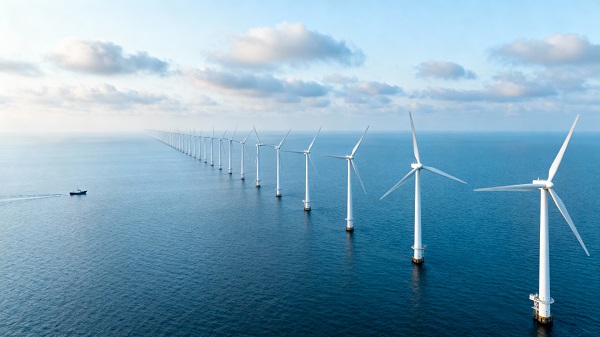
At the core of ACUA’s approach are “nested robotics”, or robots that deploy other robots. Their first class of vessel acts as a floating platform capable of launching aerial drones for wind turbine inspection, subsurface vehicles for fisheries monitoring or other specialised sensors. “A USV on its own is just a mothership,” says Neil. “Its purpose depends entirely on the sensors and systems it carries. The intersection of maritime security and the environment encompasses everything from fisheries protection to offshore wind farms to inspection of subsea oil and gas fields.” The vessel’s moon pool (the shaft through its hull through which technologies or divers are deployed into the water) can house a shipping container’s worth of payload, allowing this wide range of tools to be deployed. Onboard, the vessel also integrates ACUA’s own suite of sensors for meteorological and oceanographic data, along with accelerometers to capture wave and motion conditions.

The firm’s aim is not to replace traditional research vessels, but to augment them, expanding the reach of ocean data collection and reducing the need for costly crewed expeditions. This has appeal beyond environmental functions. “Governments’ reduced focus on ESG and sustainability has been a challenge, since many innovation budgets have dried up,” Mike notes. “But moving away from large, high-emission vessels toward smaller, more agile ones has multiple benefits. As well as sustainability, you’re removing people from dull, dangerous, dirty jobs out at sea. And robots don’t mind if they’re stuck bobbing up and down in the North Atlantic on Christmas Day.”
Changing investment climates

Even as investment priorities shift, the ocean’s importance remains constant. So does the need to map, understand and manage it. “Hype cycles come and go, whether it’s ESG, carbon credits or defence tech, and anyone who’s fundraising or building a business based on hype is going to struggle in the long term,” says Mike. “If there is a geopolitical shift and defence spending decreases, our technology still has major applications in offshore wind, fisheries and oil and gas inspection. We’re building something sustainable across industries.”

That can serve as a broader lesson for the sector: long-term resilience depends on multi-market relevance and consistency. This is particularly relevant at a time when major economies’ commitments to sustainability and conservation are facing significant budgetary and political pressure. It is imperative that ocean observation activities survive funding cuts and shifting government priorities, emphasising the economic benefits of understanding what is happening in the ocean. “A lot of companies are moving away from the idea of climate risk altogether, so we’ve made it clear that our product goes beyond that: it’s about performance and returns, and it’s applicable anywhere there’s a coastline,” says Ms Roepers.

For both Ocean Ledger and ACUA Ocean the vision is to build technologies that endure beyond hype, grounded in science, data and real-world uses. The ocean may be unpredictable, but there will always be a need to study its depths and understand the impact it has on us.

Sign up to the Back to Blue monthly newsletter to receive latest news and research from the programme.