TNFD advises businesses not to allow poor data to hinder their assessment of nature-related risks and opportunities. It recommends that organisations gradually improve the quality of disclosures as data become available. However, Ms Clavey acknowledges that, particularly in the ocean realm, “there are still gaps to be filled and further work to be done.”
Perhaps unsurprisingly, a burgeoning ‘nature intelligence’ industry has sprung up to help businesses collect and analyse data to measure their impact on complex, location-specific and variable ecosystems. On land, this is challenging. In the ocean, it is almost impossible.
“There are specific measurement requirements for ocean ecosystems that differ from terrestrial ecosystems,” Ms Clavey says. The dispersal of pollutants and the migratory nature of many ocean-based species are just two examples of why it can be tough to pinpoint a sector’s impact on the ocean, she says.
The task becomes even more difficult for sectors that may indirectly impact the ocean through their supply chains. For example, chemical companies’ products may be incorrectly disposed of downstream. “Modelling around this is less advanced and less consistent, which makes it harder to measure and compare impact,” Ms Clavey says.




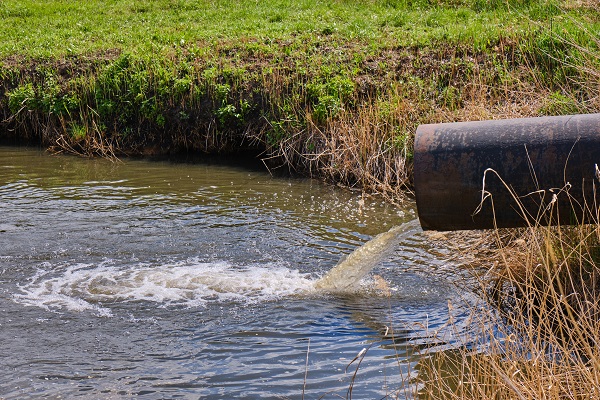
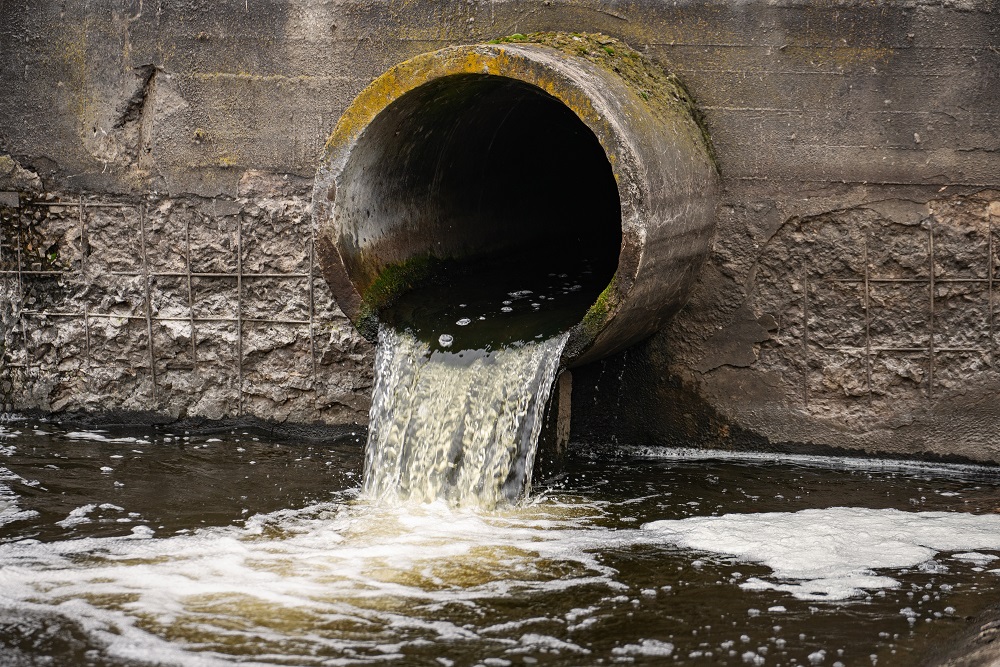 The scourge of untreated wastewater
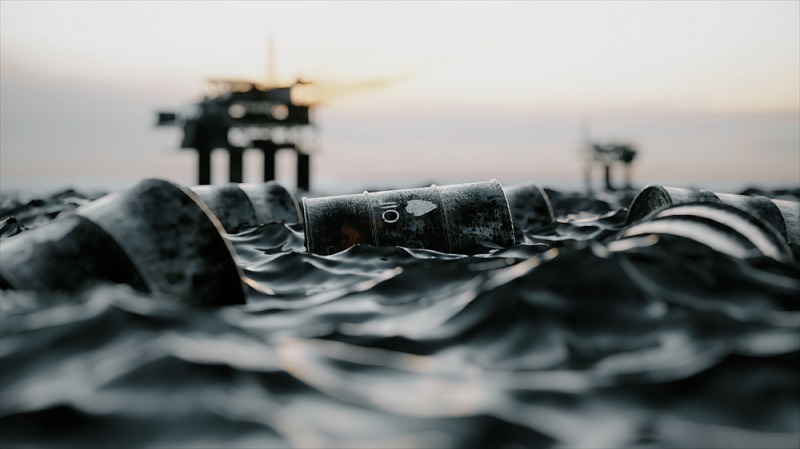 Slowing
the chemical tide: safeguarding human and ocean health amid
chemical pollution
Slowing
the chemical tide: safeguarding human and ocean health amid
chemical pollution Hazardous chemicals in plastics - the discussions at INC



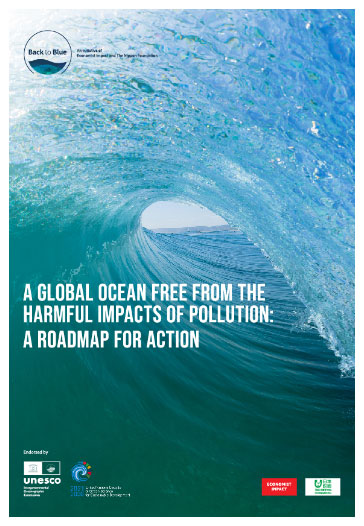
 Download the roadmap