The majority of countries are getting more and more serious about creating a treaty among willing participants, which is a common approach in international agreements. This method has been successfully used for treaties banning nuclear weapons, land mines, and cluster munitions. Interested countries come together to agree on terms, while others can choose not to participate. It can happen inside the UN, through voting, or outside the UN through separate agreements set up by the interested states. But there’s a tradition in environmental diplomacy of achieving consensus, which is different from how other forums like the UN General Assembly operate, which is by putting topics to a vote requiring a simple or two-thirds majority. The obstacle to a treaty of the willing is more about these unwritten rules and traditions of consensus rather than any legal barriers. But frustration is building, and there’s more movement towards taking this kind of approach. This meeting was a bit of a wake-up call for the majority to start considering doing things differently. Some countries started to do the legal preparations for calling a vote, because it would require approaching the next meeting in a different way. If the only way forward is consensus, you’re forced to only negotiate with the countries who want the least, and those countries become the most powerful. But if you approach it with the idea of winning a vote, you start mobilising all the countries that you want to have on board to make sure you can unite around the text. From civil society especially, there’s been a strong push for holding a vote or doing a treaty of the willing.






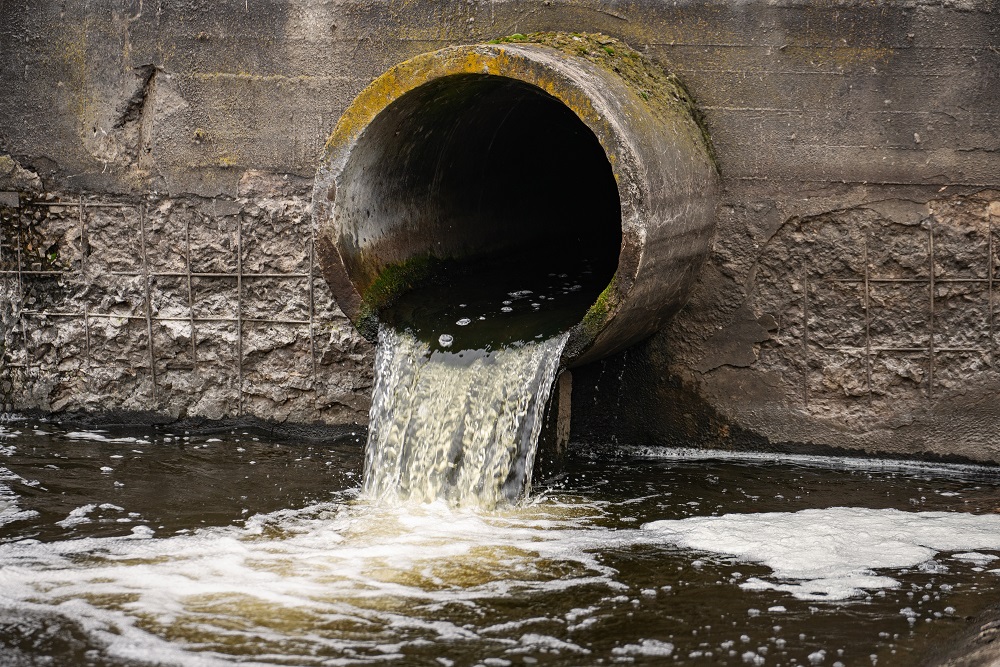 The scourge of untreated wastewater
 Slowing
the chemical tide: safeguarding human and ocean health amid
chemical pollution
Slowing
the chemical tide: safeguarding human and ocean health amid
chemical pollution Hazardous chemicals in plastics - the discussions at INC