






 The scourge of untreated wastewater
 Slowing
the chemical tide: safeguarding human and ocean health amid
chemical pollution
Slowing
the chemical tide: safeguarding human and ocean health amid
chemical pollution Hazardous chemicals in plastics - the discussions at INC



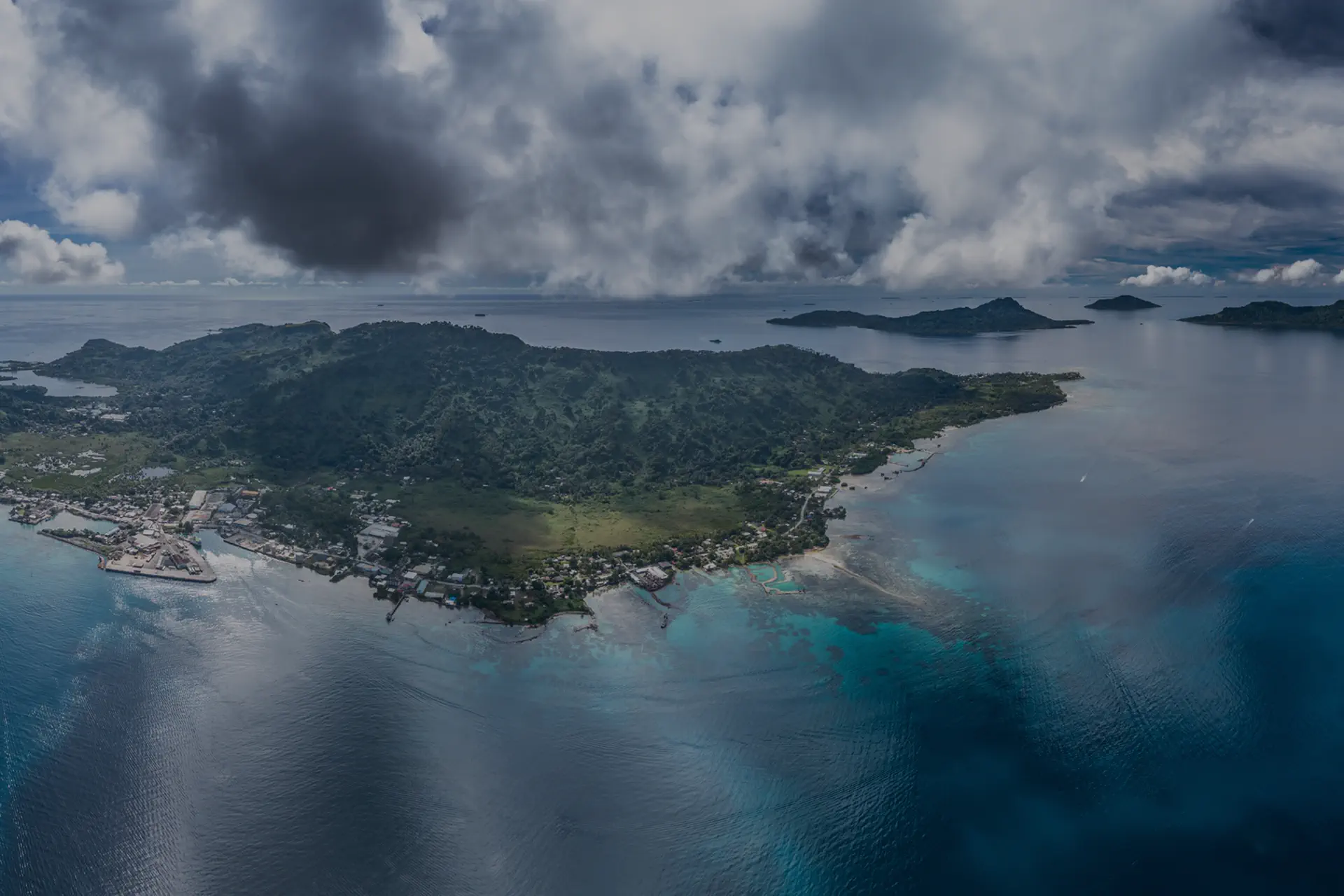
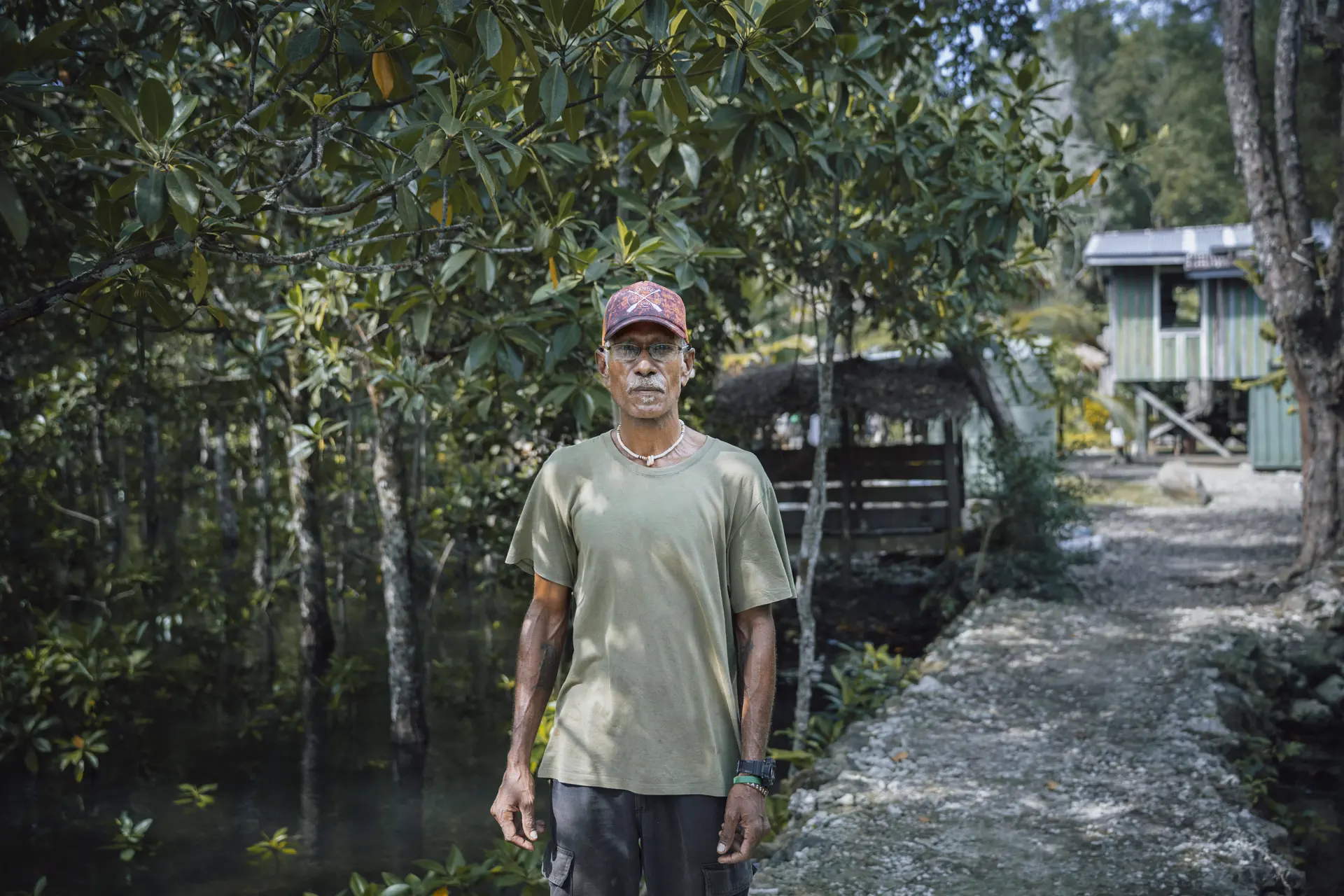
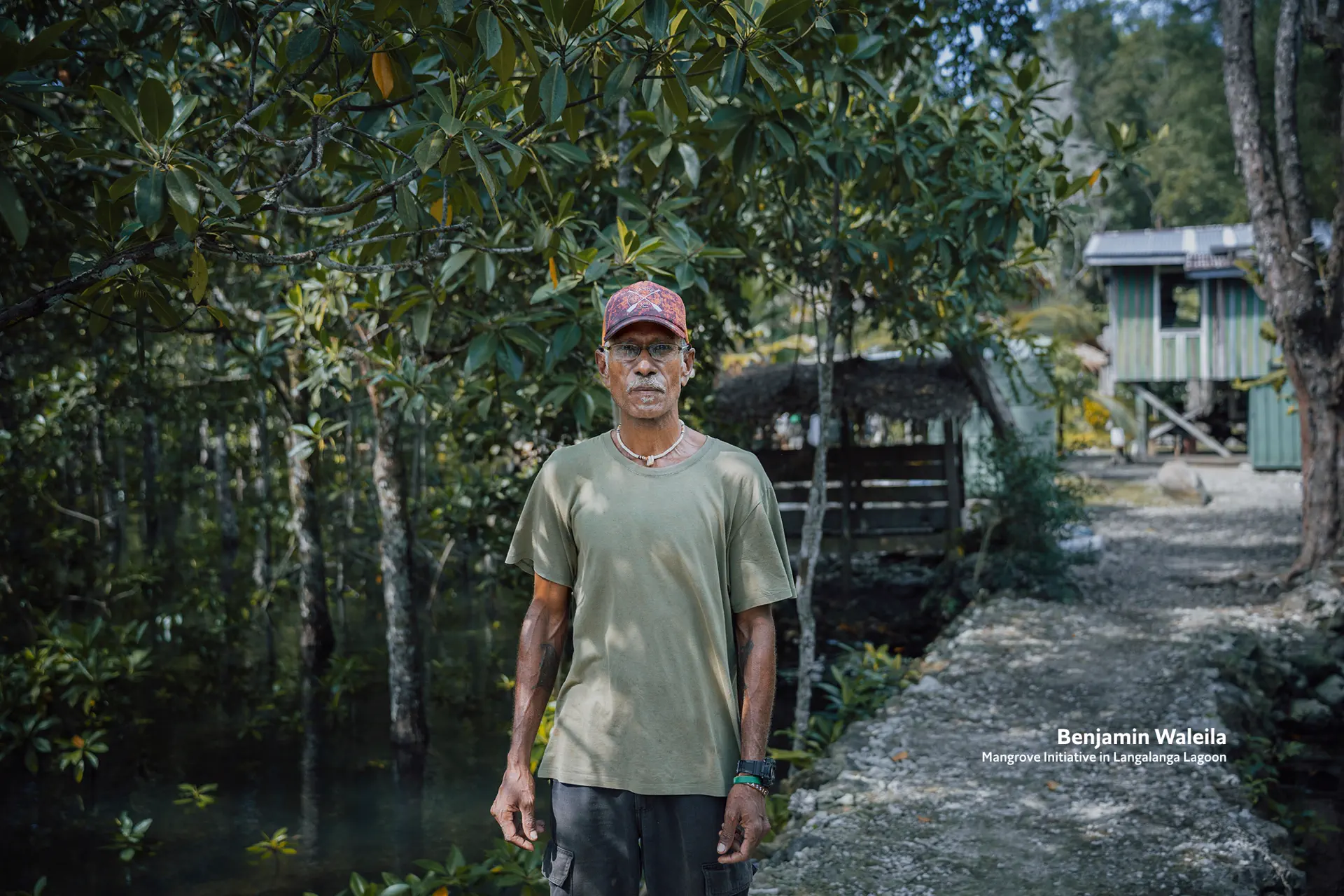
The Pacific Islands region is composed of diverse cultures, ecosystems and ways of life, spread across a vast marine landscape. The islands' proximity to the ocean is their strength, but in a changing climate, it has also become a weakness. As they witness the existential threats of rising sea levels and extreme weather manifesting on their shores, the people of the Pacific Islands are standing up for stronger international action on climate change as well as mobilising their communities to implement solutions on a local level.
The Solomon Islands is one of the countries most at risk from rising sea levels. Its seas have risen at almost three times the global average. As climate change accelerates, this archipelago nation of nearly 1,000 islands in the South Pacific faces existential threats to its economic, social and cultural practices. It has been ranked as the second-most at-risk nation for natural disasters, partly because 65% of the population lives less than 1 km from the coast, on the front lines of sea level rise. Between 1947 and 2015, five of the country's islands disappeared completely, and six more eroded significantly. Climate change is also affecting marine habitats, such as mangroves, river estuaries and coral reefs—a major concern, as 47% of all Solomon Island households rely on fishing or harvesting for both food and income. Meanwhile, extreme weather events such as cyclones have become more frequent and destructive. This is evident to anyone who lives in the islands. “In the village where I’m from, we’re seeing the impact of the rising seas,” says Caleb Maehanua Pollard, former president of Pacific Islands Students Fighting Climate Change (PISFCC), a youth advocacy group. “As a young kid, when I went swimming and canoeing in the river, I would stop to fill my water bottle in a small stream. One day, I drank from it and it tasted like salt. That’s when I realised how much higher the tide had risen.”
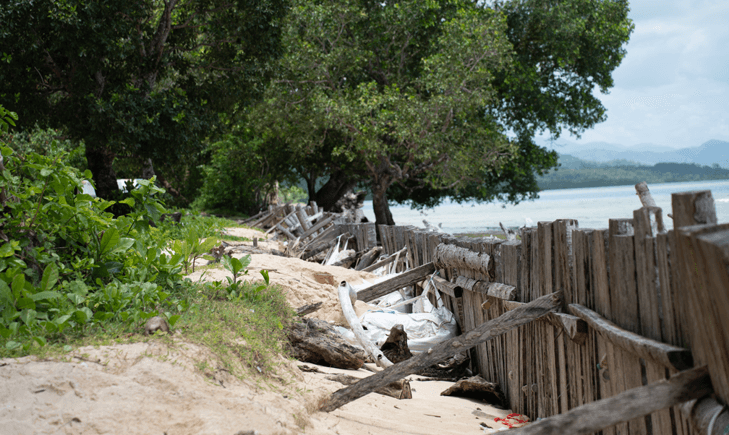
These changes have been under way for decades, so this precarious situation is the norm for young islanders. Community elders will have told them of the traditions and ways of life lost to the rising tides, and many are determined to act now before any more is lost. This determination has given rise to a powerful Pacific youth movement on the international stage.
Pacific voices at the International Court of Jusice (ICJ)
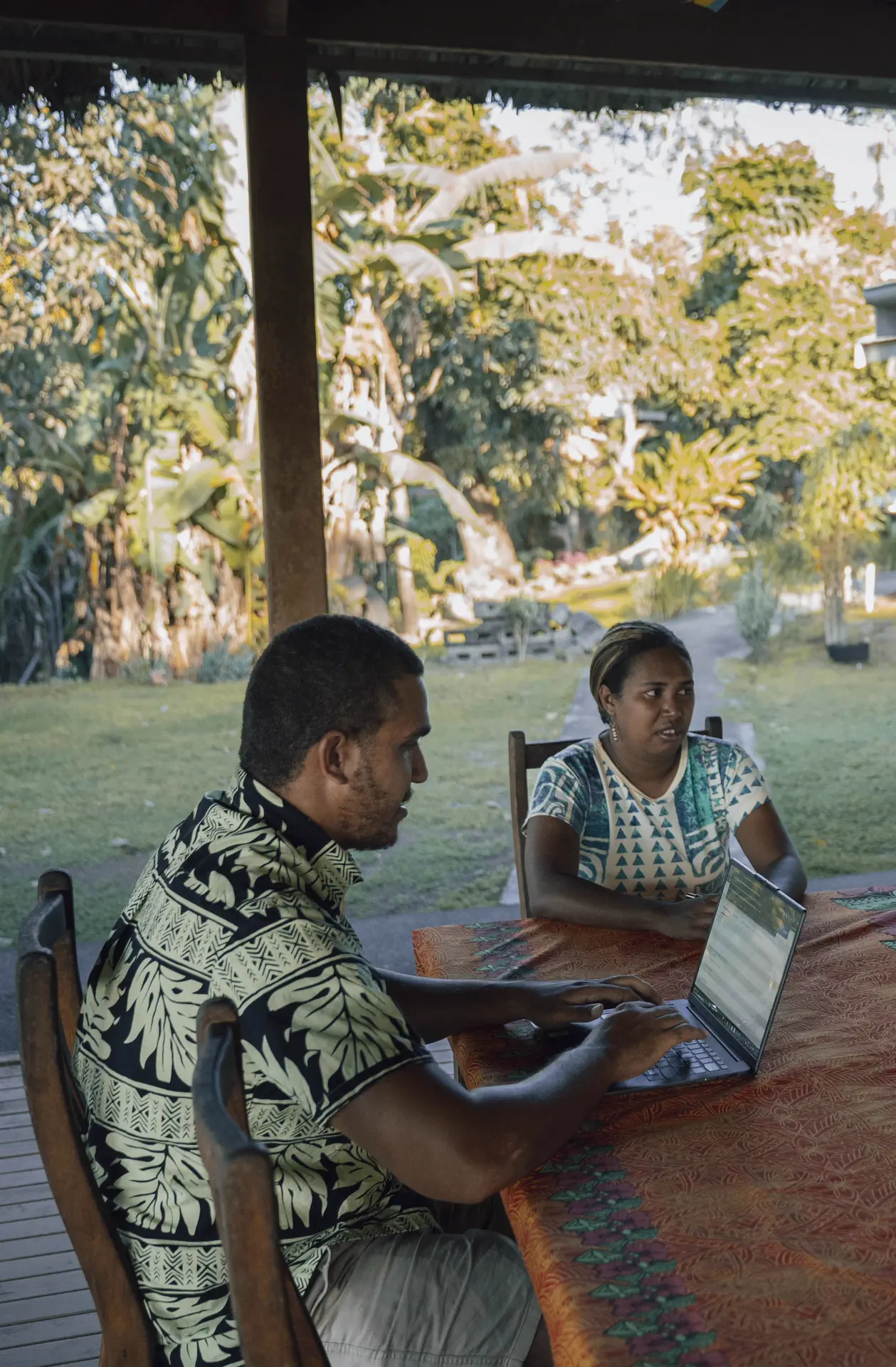
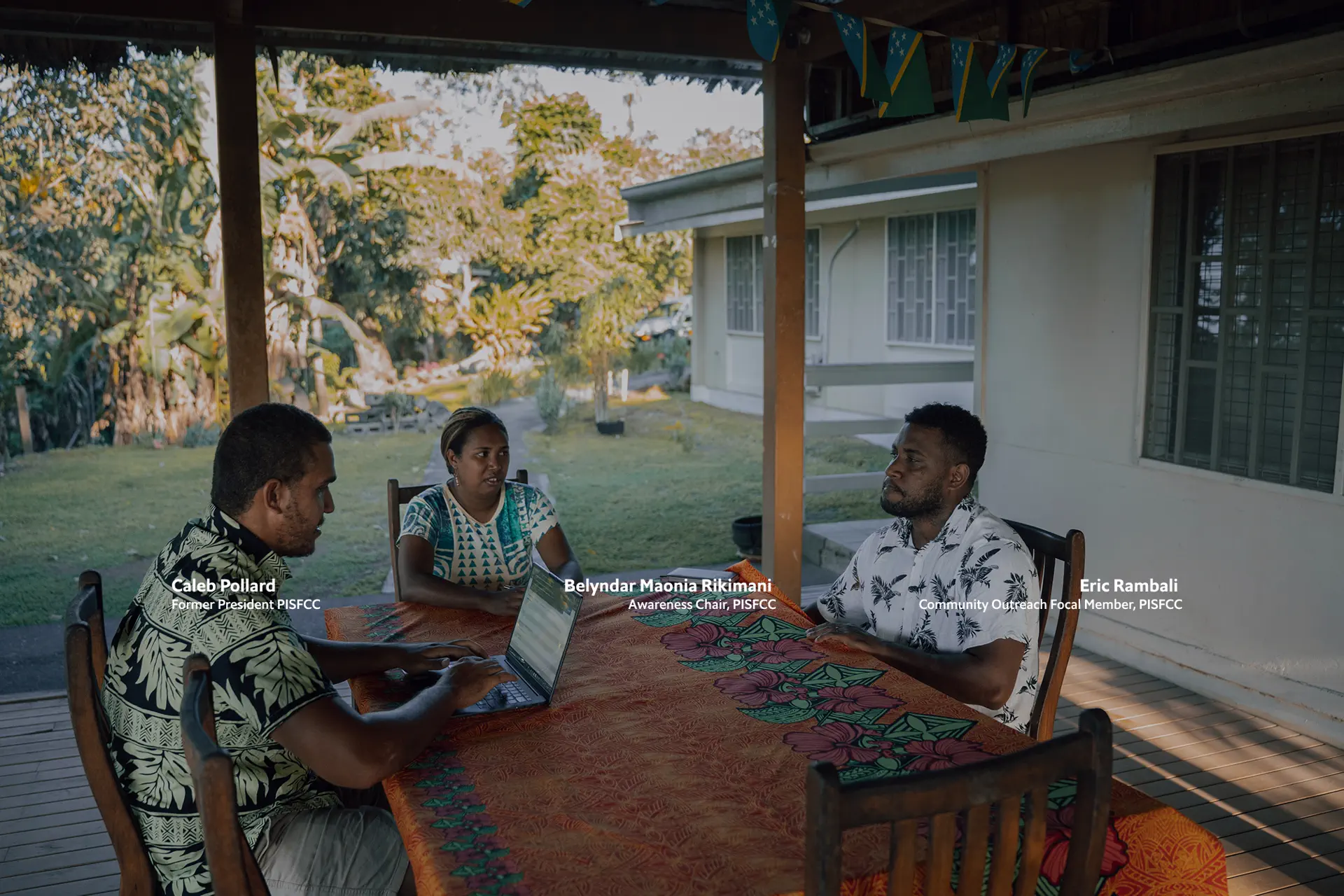
In March 2019, PISFCC was founded by 27 law students at the University of the South Pacific. The group's campaign urged Pacific leaders to bring the issue of climate change and human rights before the ICJ. It gained the support of Ralph Regenvanu, then Vanuatu's minister of foreign affairs and trade, who agreed to meet the students and ensured their ideas were represented at the Pacific Islands Forum. Vanuatu went on to endorse the campaign, rallying other Pacific Island nations together. Over time, a coalition of civil society groups from 130 countries joined the cause, culminating in a UN General Assembly (UNGA) resolution requesting an advisory opinion (AO) on states’ legal obligations regarding climate change. In 2023, after years of advocacy, the UNGA formally submitted this request. The ICJ’s opinion affirmed that states have binding obligations to prevent significant environmental harm, co-operate internationally and uphold human rights amid escalating climate risks. Governments must not only pursue ambitious climate plans under the Paris Agreement but also regulate private actors and support vulnerable nations. “The AO could shift the climate negotiations and open doors for climate litigation, as well as pushing leaders for more ambitious action,” says Belyndar Maonia Rikimani, PISFCC’s awareness chair. This ruling brought renewed hope for Solomon Islands communities. “When the AO was shared, people felt they were no longer fighting alone,” says Eric Rambali, PISFCC course facilitator, who worked to gather evidence to submit to the ICJ. “Now we want to ensure stronger co-operation between Pacific Islands and other states.” At the heart of PISFCC’s work are two key themes: education and economic resilience. On the educational front, it develops programmes in schools to teach and empower youth, ensuring the next generation understands both the challenges it faces and its power to create change. Economically, PISFCC focuses on helping communities adapt sustainably, supporting livelihoods through initiatives such as seaweed farming.

The group’s role in educating other young people is as crucial as ever. “When I joined PISFCC, my background was in education, teaching geography,” says Mr Pollard, whose work with PISFCC has included an educational ocean sustainability initiative, which brings children out to local beaches for hands-on learning. “Earth belongs to youth, to future generations. It’s up to us to drive the change we want to see.”

An ocean culture at risk
The Solomon Islands is defined by the ocean. Land makes up less than 5% of its territory. “We are ocean people,” says Mr Pollard. “As climate change reshapes our world, there’s a risk we’ll lose our identity and our values.” Climate change is already affecting food supply. “Higher temperatures and increased rainfall are affecting local crops, which is impacting people’s ability to feed their families and earn an income from farming,” says Ms Rikimani. Subsistence farmers face higher temperatures, salt-water intrusion, and changing rainfall patterns that damage harvests. Giant swamp taro is one of the staple foods of the Solomon Islands, often feeding large groups of people at weddings and funerals. It is cultivated in mildly brackish water in swamp pits, but it cannot thrive in overly salty water; higher salt concentration as a result of sea level rise has produced smaller yields of lower-quality taro and forced farmers to relocate.
Long-standing cultural practices are also at risk. Shell money—a centuries-old tradition from Malaita Province, used as a form of currency in marriages, trade and legal procedures—depends on local species such as the red-lipped rock oyster and black horse mussel. But warming, acidifying oceans have destroyed marine habitats and reduced the availability of shells. In Langa Langa, where the tradition originated, there are no shells left. When land sinks into the sea or is no longer able to sustain communities, relocation is the last option, but that brings new hardships. After devastating tides in 2009, the Solomon Islands community of Walande relocated to the larger island of Malaita, but found themselves facing insecure land rights and inadequate support, according to Human Rights Watch. Similar situations occurred in Kiribati, where families displaced by a tsunami in the town of Gizo were relocated to land they could not legally own, disqualifying them from the aid funding they would need to rebuild. Such cases highlight how relocation severs people from ancestral lands, histories and cultural identity.

Local solutions in the face of funding shortfalls
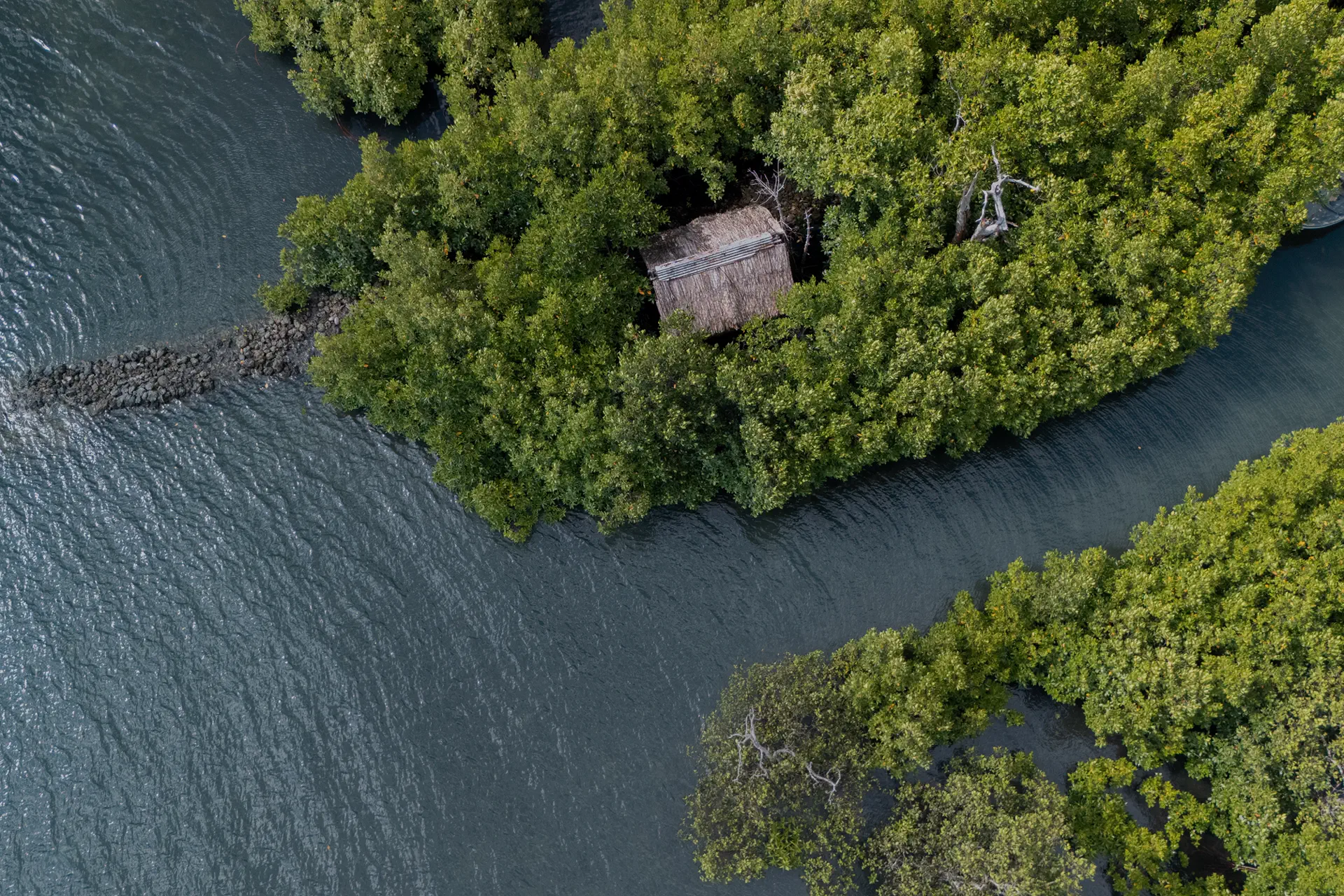
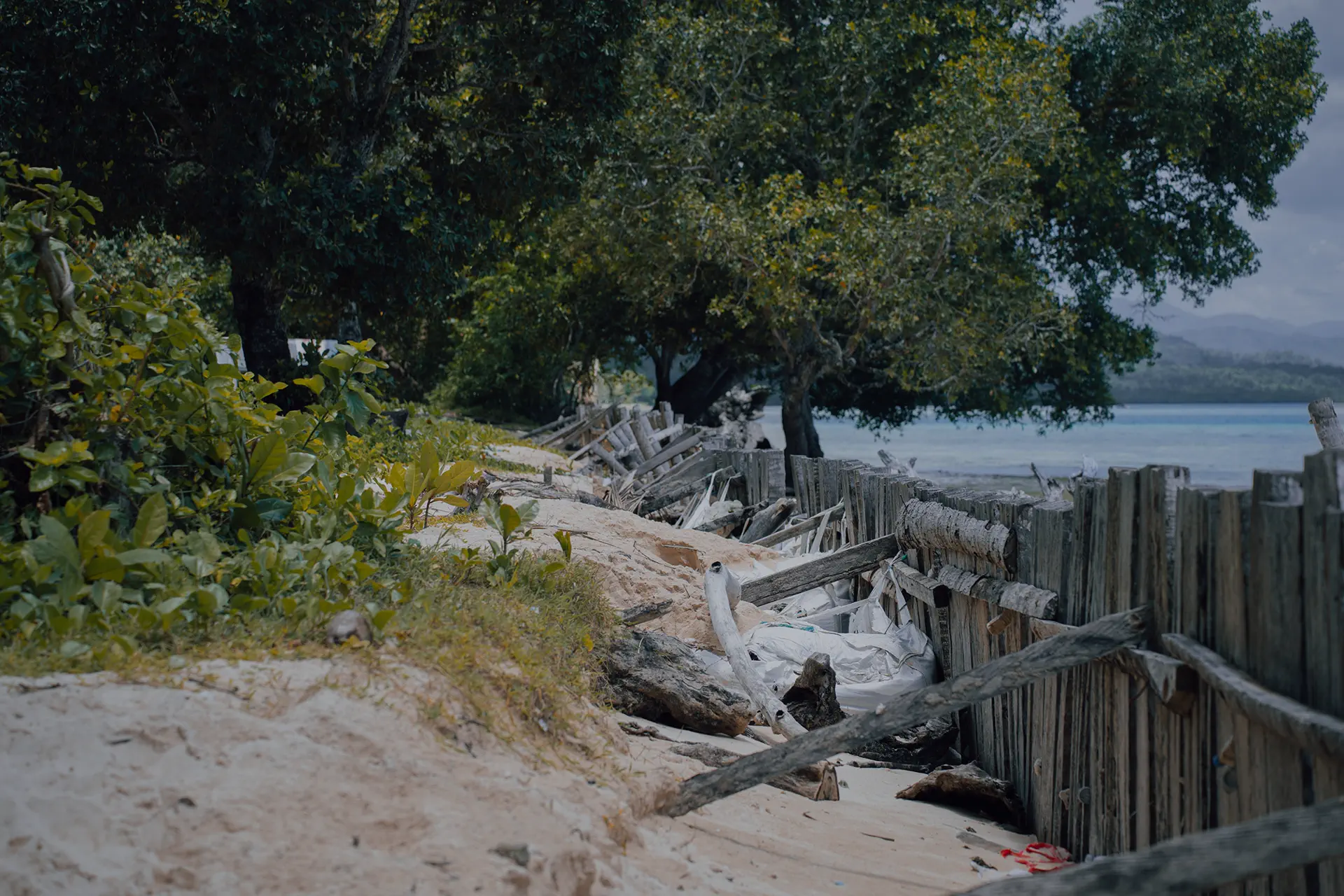
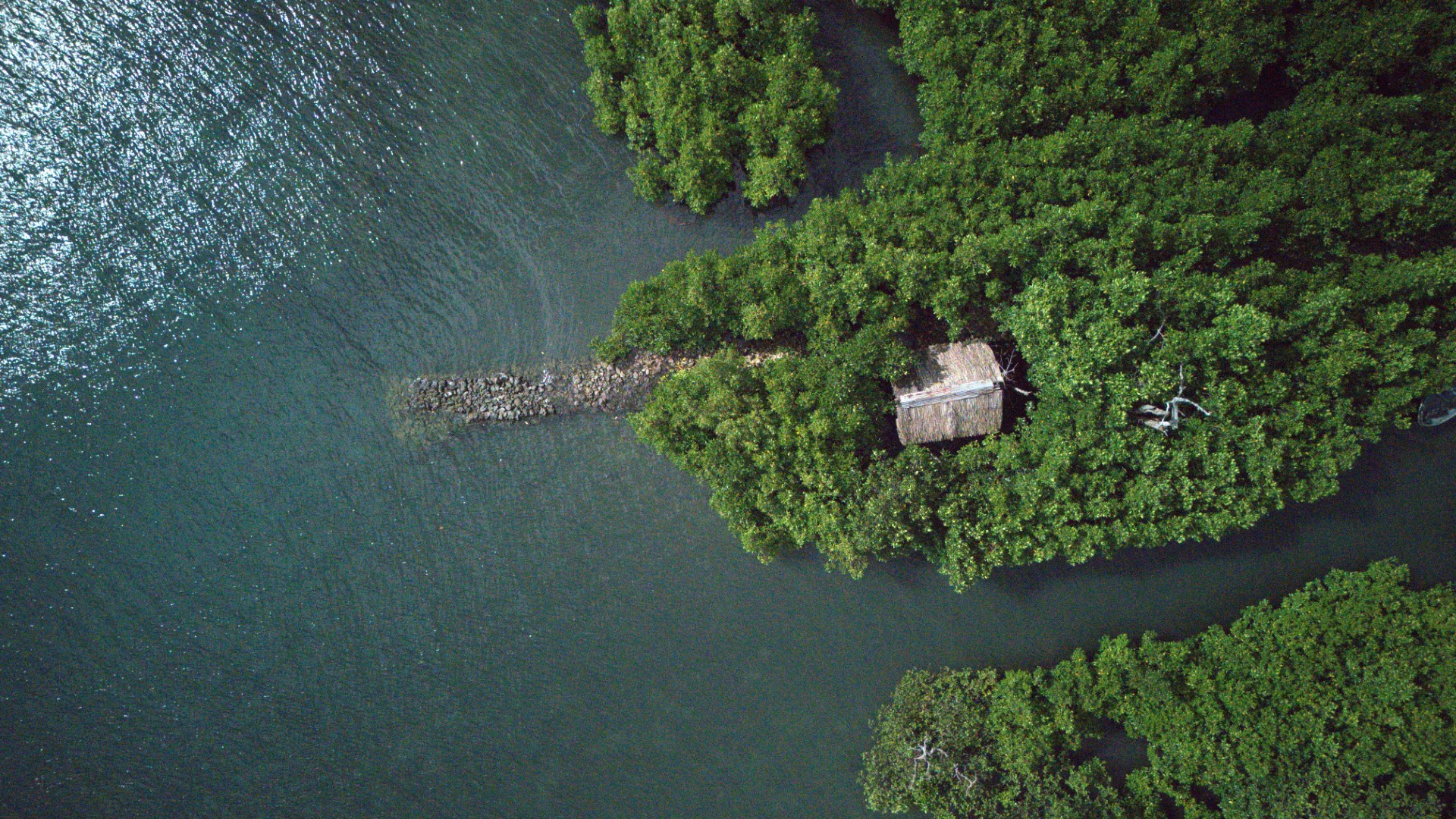
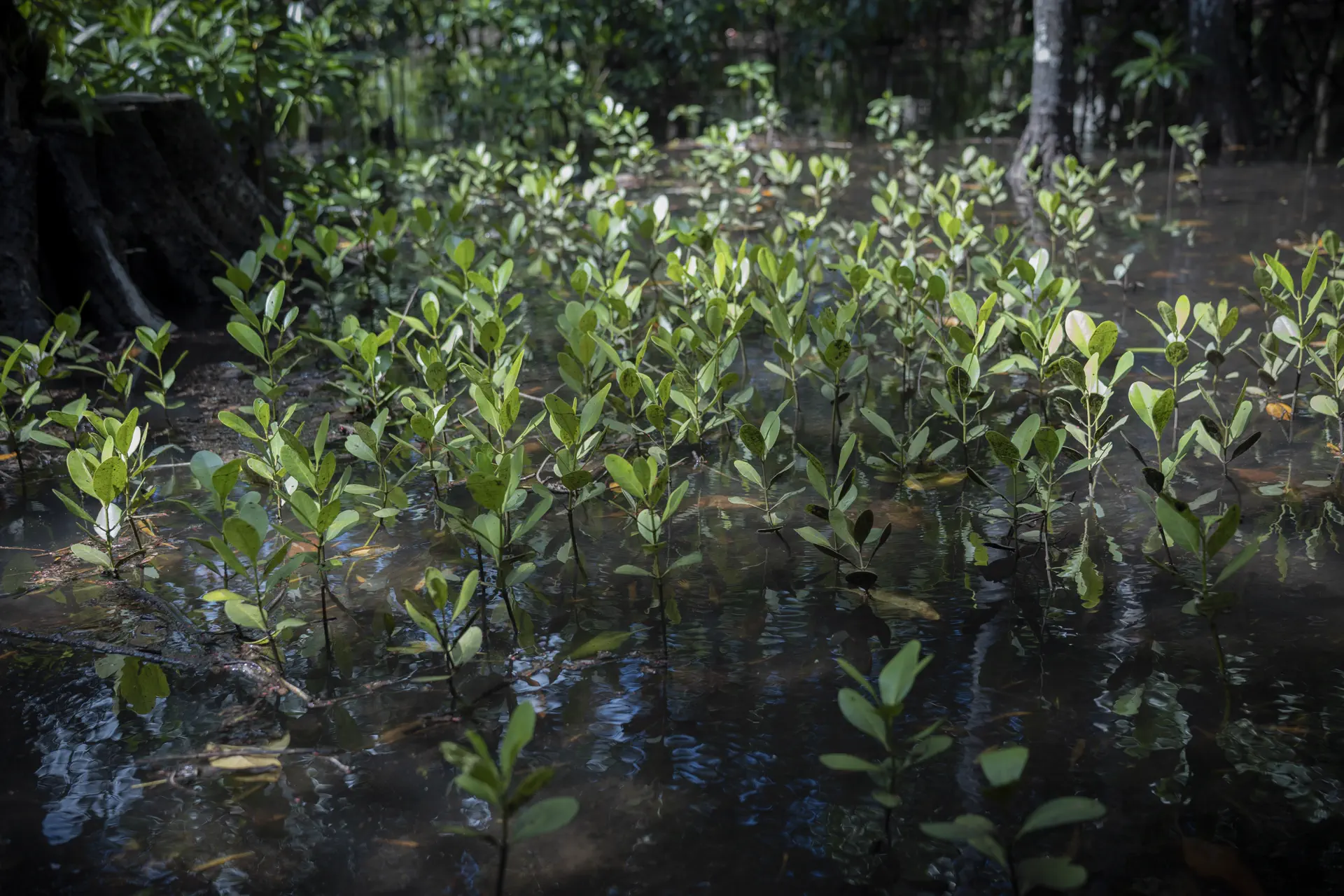
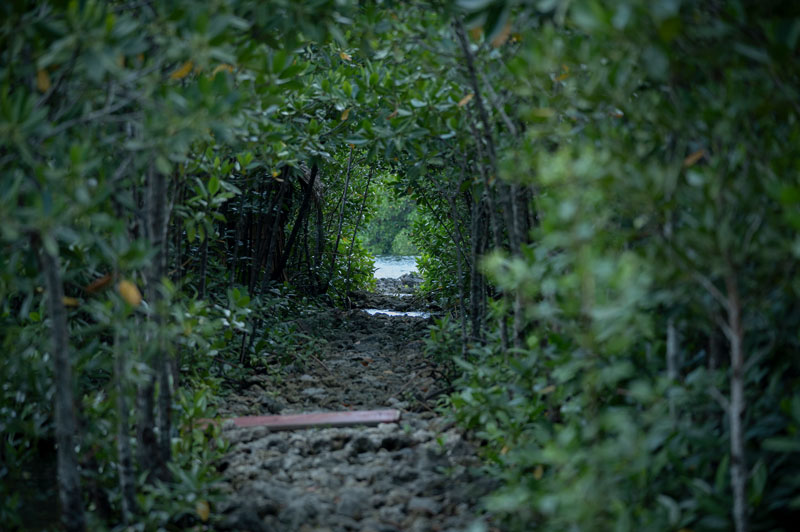
Limited funding severely impacts people’s ability to build climate-resilient infrastructure. As a result, Solomon Islanders have had to find innovative ways to defend their coasts. Mangrove planting has become a cornerstone of local adaptation. These ecosystems not only store carbon and nurture marine life but also protect homes and infrastructure from storm surges by stabilising the shoreline. Similarly, planting seaweed in coastal areas can slow the sea’s encroachment on to the coasts. Many communities are building sea-breakers to slow waves before they hit the shore, protecting villages from rising sea levels. “People on the coasts are faced with the prospect of relocation, but they don’t want to go,” says Ms Rikimani. “They don’t want their land to disappear, and they need help to be able to save it.”
The hope is that the ICJ’s AO, although not legally binding, will serve as a reference for climate litigation and open the door for new climate-related lawsuits, ultimately resulting in increased climate finance for developing countries. The AO emphasises the duty of states to co-operate and provide financing, technology transfer and support for the most vulnerable countries. A violation of climate obligations by a state may justify “the award of full reparation to the injured states”. “We hope the AO will be a pathway to attracting climate finance for adaptation and mitigation initiatives to help these communities,” says Ms Rikimani. “Indigenous people are very connected to the land and the ocean. To lose that land is heartbreaking for our communities, and we’ve been calling on governments for the past few years to provide funding and donations to support local climate efforts.”